
Top 5 Call Center Phone Systems for 2025 And Beyond
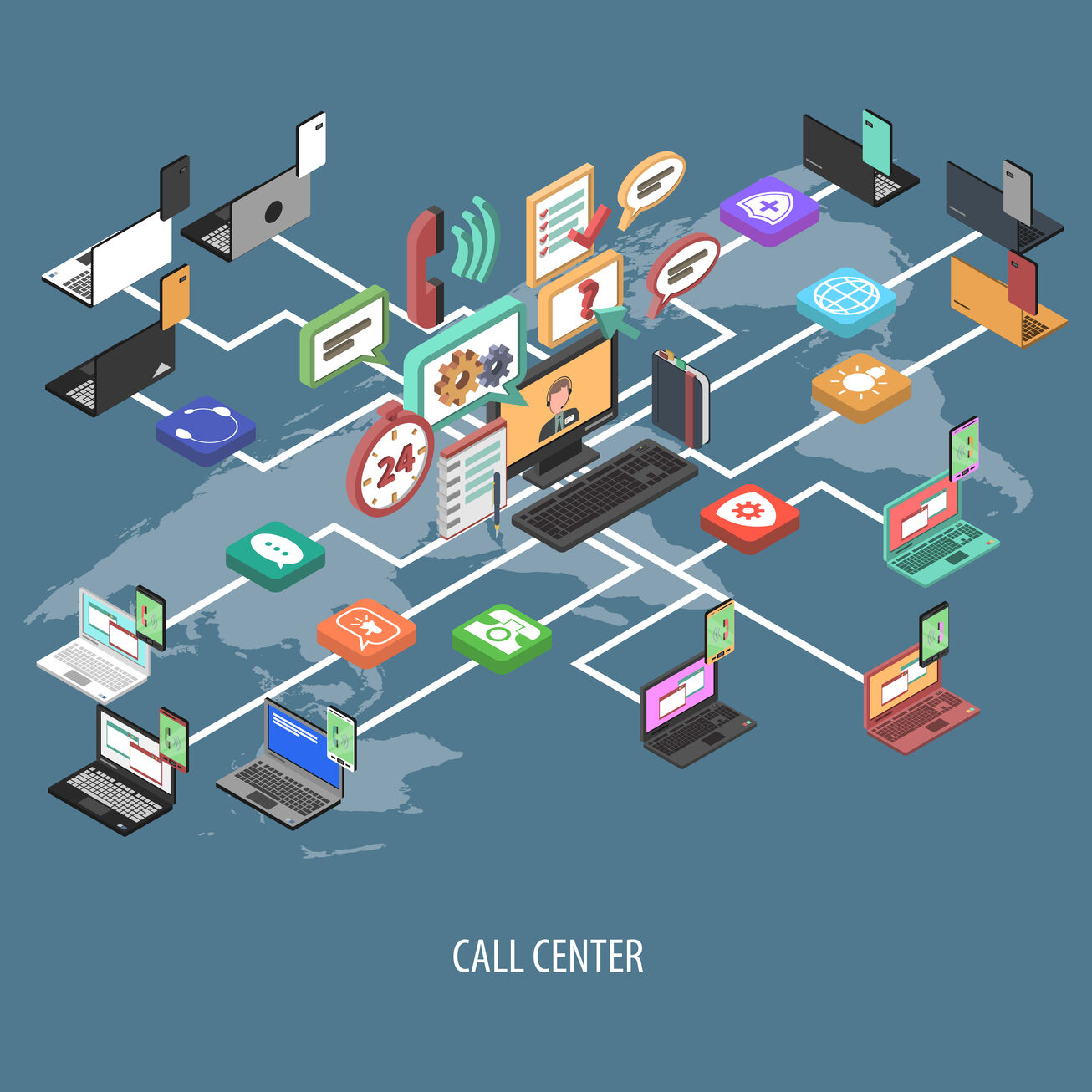
The call center phone system you choose can make or break your customer service operation. While competitors handle hundreds of calls seamlessly with modern technology, outdated systems leave businesses struggling with dropped calls, frustrated agents, and customers who never call back. In 2025, your phone system becomes a strategic tool that directly impacts customer satisfaction and your bottom line.
Traditional call center systems relied on physical hardware, on-premise servers, and dedicated phone lines. These legacy systems come with significant limitations: high maintenance costs, inflexibility for remote work, limited scalability, and a lack of integration with modern business tools. When call volumes spike or businesses need to expand quickly, traditional systems often become bottlenecks.
Modern call center phone systems meet today's demands by supporting remote agents, integrating with CRM platforms, providing real-time analytics, and scaling effortlessly. According to a 2024 report by Grand View Research, the global call center AI market is expected to grow at a compound annual growth rate of 22.7% from 2024 to 2030, demonstrating how rapidly the industry is embracing advanced technology.
Choosing the right phone system directly impacts customer service quality and operational efficiency. The wrong choice leads to frustrated customers and lost revenue. The right system becomes a competitive advantage.
Ready to Upgrade Your Call Center Phone System?
Discover how MyVelox's cloud-based call center solutions can transform your customer service
Top 5 Call Center Phone System Types
Understanding the landscape of available systems helps businesses make informed decisions aligned with their specific needs, budgets, and growth plans.
1. VoIP (Voice over Internet Protocol) Systems
VoIP call center technology has revolutionized business communications by transmitting voice calls over internet connections rather than traditional phone lines. This approach offers remarkable flexibility and cost efficiency that traditional systems cannot match.
Key features of VoIP systems:
- Significantly lower costs, especially for long-distance and international calls
- Support for remote agents working from anywhere with internet access
- Advanced features like call recording, analytics, and auto-attendants
- Easy scalability—add or remove lines within minutes
- Integration capabilities with CRM, helpdesk, and other business software
VoIP systems work exceptionally well for businesses with distributed teams, companies making frequent international calls, and organizations seeking advanced features without expensive hardware investments. The technology requires reliable internet connectivity, but for most modern businesses, this requirement poses minimal challenge.
Ideal for: Startups, remote-first companies, businesses with international operations, and organizations prioritizing flexibility and cost savings.
2. PBX (Private Branch Exchange) Systems
PBX systems represent the traditional approach to managing internal and external phone communications. These systems route calls within organizations and connect internal extensions to external phone networks.
Modern PBX systems come in two primary forms: traditional on-premise hardware and IP-PBX (Internet Protocol PBX) that combines PBX functionality with VoIP technology. While traditional PBX requires significant upfront investment in physical equipment, IP-PBX offers more flexibility at lower costs.
PBX system characteristics:
- Complete control over phone system and data
- Reliable call quality independent of internet connection
- Advanced call routing and management features
- Suitable for businesses with complex call handling needs
- Higher upfront costs but potentially lower long-term expenses for large operations
Traditional PBX systems work best for established businesses with stable locations, organizations with stringent data security requirements, and companies preferring ownership over subscription models. However, the trend clearly moves toward IP-PBX and cloud solutions for their flexibility and reduced maintenance burden.
Ideal for: Large enterprises, businesses with strict security requirements, organizations preferring on-premise solutions, and companies with dedicated IT infrastructure teams.
3. Cloud-Based Call Center Systems
Cloud-based systems represent the cutting edge of call center technology, hosting all phone system components on remote servers managed by service providers. Businesses access these systems through internet connections, eliminating the need for on-premise hardware.
This model offers unparalleled flexibility and scalability. Companies can add hundreds of agents for seasonal peaks and scale back during slower periods—all without purchasing or maintaining physical equipment. Updates and new features roll out automatically without requiring technical expertise from internal teams.
Cloud system advantages:
- Minimal upfront investment—subscription-based pricing models
- Automatic updates and maintenance handled by providers
- Work-from-anywhere capability supporting modern workforce trends
- Disaster recovery built in—systems continue functioning during local outages
- Rapid deployment—set up new call centers in days instead of months
Cloud-based call center phone systems particularly benefit businesses experiencing rapid growth, companies with seasonal fluctuations, organizations supporting remote work, and startups seeking enterprise-level capabilities without enterprise-level costs.
Ideal for: Growing businesses, seasonal operations, remote teams, companies seeking the latest features without IT overhead, and organizations prioritizing business continuity.
4. Hybrid Call Center Systems
Hybrid systems combine elements of on-premise and cloud-based solutions, offering businesses the flexibility to choose which components they host internally and which they access through cloud services. This approach allows organizations to transition gradually from traditional systems to modern cloud-based infrastructure.
Companies might keep certain critical functions on-premise for security or compliance reasons while leveraging cloud capabilities for features like remote agent support, advanced analytics, or seasonal capacity. This balanced approach addresses both control and flexibility concerns.
Hybrid system benefits:
- Flexibility to customize deployment based on specific requirements
- Gradual migration path from legacy systems to modern infrastructure
- Balance between control and cloud convenience
- Ability to meet compliance requirements while accessing cloud innovations
- Risk mitigation through diversified infrastructure
Hybrid solutions suit businesses transitioning from traditional systems, organizations with complex compliance requirements, companies with both on-site and remote teams, and enterprises seeking customized deployments matching their unique operational needs.
Ideal for: Mid-to-large enterprises, businesses with compliance constraints, organizations transitioning to the cloud, and companies needing customized infrastructure.
5. Centrex Systems
Centrex (Central Exchange) systems represent a service where telecommunications providers host and manage PBX functionality at their facilities. Businesses essentially rent phone system capabilities from carriers rather than owning equipment.
While less common than cloud-based VoIP call center solutions in modern deployments, Centrex systems still serve certain business scenarios effectively. They offer professional phone system features without requiring on-premise equipment investment or maintenance.
Centrex system characteristics:
- No on-premise equipment required
- Telecommunications provider handles all maintenance
- Professional features like call forwarding, conferencing, and voicemail
- Predictable monthly costs
- Limited customization compared to owned systems
Centrex works for small businesses seeking professional phone capabilities without technical complexity, organizations with limited IT resources, and companies preferring service relationships with established telecommunications carriers.
Ideal for: Small businesses, organizations with minimal IT support, companies preferring traditional carrier relationships, and businesses seeking simplicity over customization.
Here's a quick comparison of the five call center phone system types:
| System Type | Initial Cost | Scalability | Remote Work Support | Maintenance | Best For |
|---|---|---|---|---|---|
| VoIP | Low | Excellent | Excellent | Minimal | Modern businesses, remote teams |
| PBX | High | Limited | Poor to Good | Significant | Large enterprises, on-premise preference |
| Cloud-Based | Very Low | Excellent | Excellent | None (provider-managed) | Growing businesses, seasonal needs |
| Hybrid | Medium to High | Good | Good | Moderate | Transitioning enterprises, compliance needs |
| Centrex | Low | Limited | Limited | None (carrier-managed) | Small businesses, simple requirements |
Making the Right Choice for Your Business
Selecting the appropriate system requires careful consideration of multiple factors beyond just features and pricing.
Assess Your Current and Future Needs
Key questions to answer:
- How many agents work in your call center currently, and how many will you need in 1-2 years?
- What percentage of your team works remotely or will work remotely?
- Do you handle primarily inbound calls, outbound calls, or a mix?
- What call volumes do you experience during peak periods?
- Which business tools must integrate with your phone system?
Understanding both current requirements and anticipated growth prevents choosing systems that quickly become inadequate.
Evaluate Technical Infrastructure
Internet reliability becomes critical for VoIP and cloud-based systems. Businesses in areas with unreliable connectivity might need to consider hybrid solutions or maintain backup systems. Bandwidth requirements scale with agent count—ensure your internet infrastructure can handle projected voice traffic.
Consider Budget Constraints
Financial factors to weigh:
- Upfront costs versus ongoing subscription fees
- Hidden costs like maintenance, upgrades, and technical support
- Cost per agent as you scale
- International calling rates if applicable
- Integration costs with existing business systems
Budget Tip: While cloud-based systems typically show lower total cost of ownership over time, carefully compare 3-5 year cost projections across different system types for accurate financial planning.
Review Compliance and Security Requirements
Certain industries face strict regulations regarding call recording, data storage, and customer information handling. Healthcare organizations need HIPAA compliance, financial services require specific data security measures, and businesses handling payment information must meet PCI DSS standards.
Verify that prospective systems meet relevant regulatory requirements and provide necessary security features like encryption, access controls, and audit trails.
Test Before Committing
Most reputable providers offer trial periods or demonstrations. Take advantage of these opportunities to evaluate system usability, call quality, and feature functionality before making final decisions.
Involve actual agents and supervisors in testing—their daily experience matters more than impressive feature lists that prove difficult to use in practice.
Choosing Your Path Forward
For most modern businesses, cloud-based systems or VoIP solutions provide the best combination of features, flexibility, and value. These technologies support contemporary work arrangements, scale effortlessly, and deliver advanced capabilities at accessible price points.
Organizations with significant existing infrastructure investments or strict regulatory requirements might find hybrid approaches most suitable. Traditional PBX systems and Centrex services occupy narrower niches but remain appropriate for specific scenarios.
The right call center phone system transforms customer interactions into relationship-building opportunities. It empowers agents with tools that make their jobs easier and provides managers with insights, driving continuous improvement. Businesses that invest thoughtfully in modern call center technology position themselves for success in increasingly competitive markets, while those clinging to outdated systems risk falling behind as customer expectations continue rising.